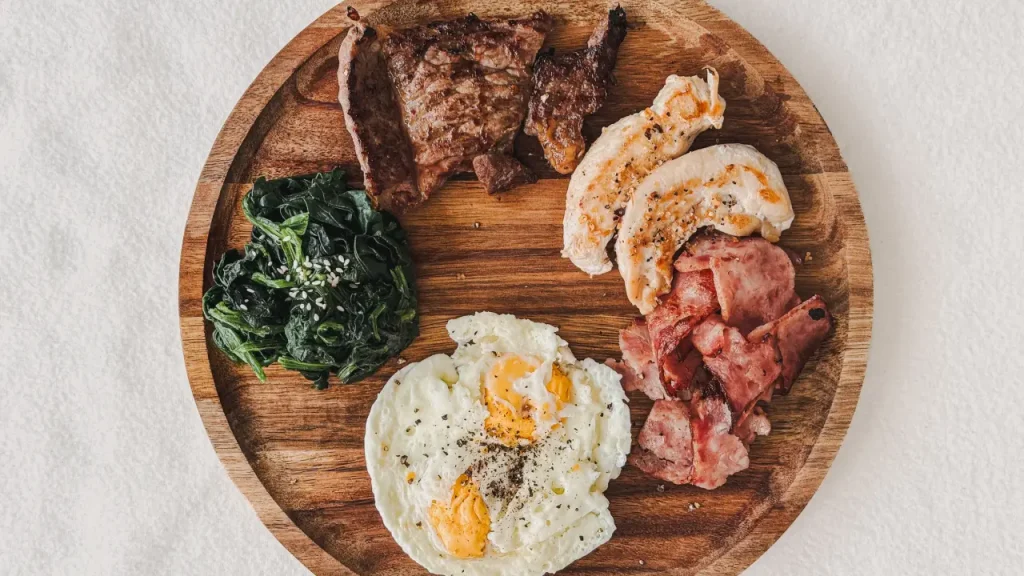
Getting enough protein while breastfeeding isn’t just about milk supply it’s about rebuilding you. Here are the 8 best high-protein foods to fuel your recovery and nourish your baby, plus tips on how to fit them into your day.
Let’s be real: between recovering from childbirth and keeping a tiny human alive, your body is working overtime. You lose a lot of essential nutrients during delivery and the breastfeeding marathon that follows. To gain back that strength and keep your energy up, nutrient-dense food is non-negotiable.
Alongside calcium and iron, protein is the MVP of your postpartum diet. It plays a huge role in supporting breast milk production and is essential for repairing your body’s tissues.
So, where should you look? We’ve rounded up the best protein sources available around you to ensure both you and your baby get the quality nutrition you need for healthy development.
1. Chicken
Chicken especially the breast is a total postpartum staple. It’s incredibly versatile: grill it, shred it for tacos, or toss it into a comforting soup. It’s convenient, easy to prep, and packed with Vitamin B and iron to help restore those depleted energy reserves.
Pro Tip: Quality matters. Look for clean, antibiotic-free, and hormone-free options. Olagud Chicken Breast (fillet or whole) is a fantastic choice. Raised using modern farming techniques and probiotic-supplemented feed, Olagud offers a clean, healthy fillet that you can feel good about eating.
2. Fish
Fish is a nutritional double-whammy: it offers high-quality protein plus DHA (Omega-3 fatty acids), which is crucial for your baby’s brain and eye development.
Stick to low-mercury options like salmon, sardines, and trout. If you’re looking for local flavor, mackerel (ikan kembung), anchovies, and snapper are also excellent high-protein choices. Just remember to cook it thoroughly (no sushi for now!) and use spices to mask any strong fishy odors if you’re sensitive to smells.
3. Eggs
Eggs are affordable, available everywhere, and packed with essential amino acids. Even better? They are one of the best sources of Choline, a nutrient directly linked to infant brain development.
Whether it’s hard-boiled eggs (the perfect one-handed snack), a veggie omelet, or simple scrambled eggs, they are a quick and easy way to hit your protein goals.
4. Greek Yogurt & Cottage Cheese
Dairy lovers, rejoice. Greek yogurt and cottage cheese pack way more protein than standard yogurt. Plus, they deliver a heavy dose of calcium and Vitamin D, which keeps your bones strong.
They make for a delicious snack when topped with fruit, oats, or nuts. If you’re lactose intolerant, just swap these for lactose-free versions or plant-based yogurt alternatives.
5. Lean Red Meat (Beef & Lamb)
Ideally, you want lean cuts. Beef and lamb are protein powerhouses that are naturally rich in iron and zinc two minerals that are easily absorbed by the body but often depleted during childbirth.
Enjoying lean red meat occasionally can help prevent postpartum anemia, especially if you lost a significant amount of blood during delivery. Pair it with veggies for a balanced meal that aids recovery.
6. Seeds (Chia, Flax, Pumpkin)
Don’t let the size fool you seeds are tiny but mighty.
- Chia and Flax seeds offer a protein boost with a side of Omega-3s.
- Pumpkin seeds are loaded with magnesium, iron, and zinc.
Sprinkle them onto your yogurt, mix them into oatmeal, or toss them in a salad for an effortless nutrient upgrade.
7. Soy Products
Plant-based favorites like Tofu and Tempeh offer “complete” protein and are rich in minerals like calcium and iron. They are super versatile fry them, stir-fry them, or crumble them into salads for a quick protein fix. Plus, they are wallet-friendly and easy to find in almost any grocery store.
8. Nuts
Almonds, peanuts, cashews, and natural nut butters are concentrated sources of protein and energy. Since breastfeeding burns a lot of calories, nuts are a great way to meet those extra caloric needs without feeling overly full. They also provide healthy fats, Vitamin E, and magnesium.
A handful of nuts or a spoonful of peanut butter in your morning smoothie can go a long way toward hitting your daily target.
Practical Tips for Hitting Your Protein Goal
Protein helps stabilize your energy levels (goodbye, sugar crash!) and repairs your body. Here is how to make sure you’re getting enough:
- Make it a Habit: Include a protein source at every meal breakfast, lunch, and dinner.
- Quality over Quantity: Focus on nutrient-dense, lean options rather than fatty, processed meats.
- Meal Prep: Create a simple weekly meal plan so you aren’t scrambling to decide what to cook.
- Mix it Up: Rotate your protein sources. Maybe have mackerel today and chicken breast tomorrow.
- Pair Up: Combine protein with healthy carbs and fats for a complete nutritional profile.
- Ask a Pro: When in doubt, consult a nutritionist or doctor to ensure your diet supports your specific health needs.
When to See a Professional
If you aren’t sure if you’re eating enough (or if you’re feeling constantly exhausted, recovering slowly, or noticing signs of nutritional deficiency), chat with your healthcare provider or a registered dietitian.
Every mom is different. Your protein needs can vary based on your weight, health history, and whether you are exclusively breastfeeding. A professional can give you a personalized plan to make sure you and your baby are thriving.


