
Meta Title: What is “Complete” vs. “Incomplete” Protein? Meta Description: What’s the difference between complete and incomplete proteins? This article breaks down both types, provides food examples, and shows you how to combine plant proteins to meet your essential amino acid needs for a balanced diet. Slug: /what-is-complete-vs-incomplete-protein
Complete proteins contain all the essential amino acids, while incomplete proteins only have some. However, with the right combination of plant-based sources, your body can still get everything it needs without having to rely solely on animal protein.
When we talk about nutrition, protein is almost always the star of the show. Whether you’re looking to build muscle, speed up recovery, lose weight, or boost your immune system, protein is the “foundation” of a healthy diet. But did you know that not all proteins are created equal?
In the world of nutrition, we use the terms “complete” and “incomplete” protein. They play different roles and have unique characteristics. So, what’s the real difference, and why should we care about this in our daily lives?
Understanding the Role of Amino Acids
Before we dive into the types of protein, we need to look at what’s “under the hood”: amino acids. Think of proteins as chains of amino acids that serve as the raw materials for building cells, tissues, enzymes, hormones, and antibodies.
The human body needs about 20 types of amino acids. Out of those, nine are called essential amino acids. “Essential” means our bodies can’t make them on their own, so we have to get them from the food we eat. These nine are:
- Histidine, Isoleucine, Leucine, Lysine, Methionine, Phenylalanine, Threonine, Tryptophan, and Valine.
This is where the distinction between “complete” and “incomplete” begins.
What is “Complete” Protein?
A complete protein is a source that contains all nine essential amino acids in sufficient amounts. In other words, it’s a “full package” that your body can immediately use for vital processes, like repairing damaged tissue or building muscle.
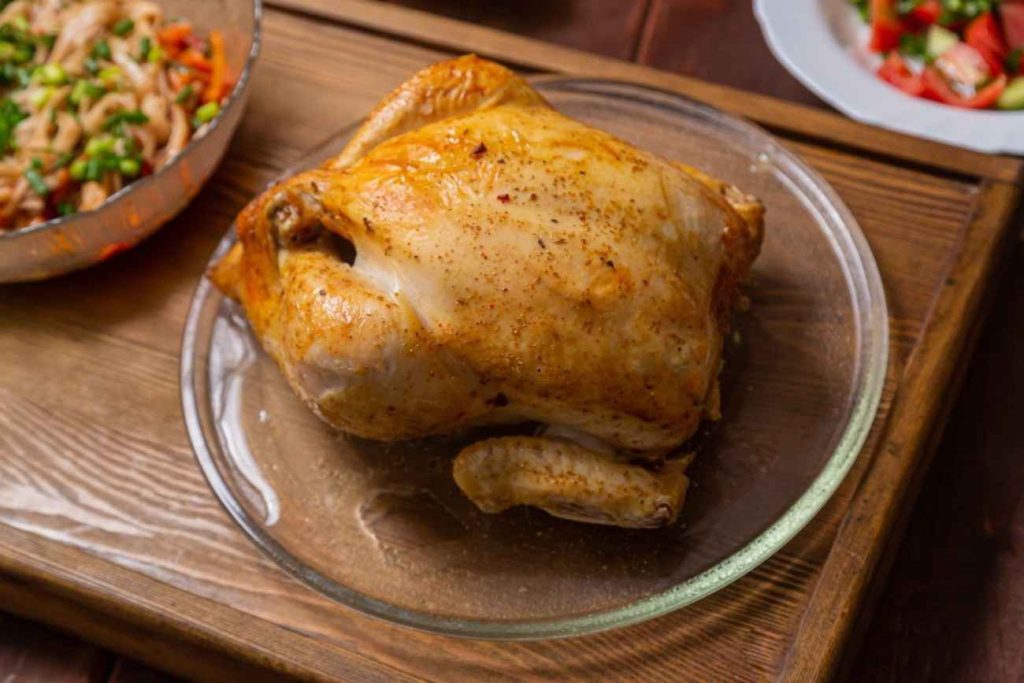
Complete proteins usually come from animal sources, such as:
- Beef, chicken, and lamb
- Fish and seafood
- Eggs
- Dairy products (cheese, yogurt, kefir)
Interestingly, there are also a few plant-based “superstars” that qualify as complete proteins, including:
- Soy (tofu, tempeh, and edamame)
- Quinoa
- Buckwheat (soba)
- Chia seeds
This is why soy is often called the “gold standard” of plant protein—its profile is very close to that of animal protein. Complete proteins are especially important for growing children, athletes, or anyone recovering from an injury.
What is “Incomplete” Protein?
Unlike the complete version, an incomplete protein is missing one or more of those nine essential amino acids. Most plant-based foods fall into this category, such as:
- Legumes (kidney beans, lentils, chickpeas)
- Seeds (sunflower seeds, sesame, flaxseed)
- Grains (whole wheat bread, pasta)
- Rice and corn
- Certain vegetables (spinach, broccoli, asparagus)
Don’t let the name fool you—”incomplete” doesn’t mean “bad.” These foods are still incredibly important because they provide fiber, vitamins, and minerals. They just need a little help to reach their full potential.
The Power of “Complementary Proteins”
This is where it gets interesting. By combining two or more incomplete protein sources, you can create a “complementary protein” that gives you a full amino acid profile.
You’ve probably been doing this already without realizing it! Many traditional meals across cultures are built on this concept:
- Rice + Tempeh or Beans
- Whole wheat bread + Peanut butter
- Corn + Red beans
- Rice + Tofu
- Oats + Almonds
Whether it’s rice and tempeh in Indonesia, beans and rice in Latin America, or pita and hummus in the Middle East, humans have been using this strategy for centuries to stay healthy on plant-based diets.
Do We Always Need to Eat “Complete” Proteins?
The short answer: not necessarily at every single meal. What matters most is your total protein intake and the variety of foods you eat throughout the day. Your body is smart—it can “store” amino acids from lunch and combine them with those from dinner to get what it needs.
However, complete proteins become much more convenient and efficient for:
- Athletes and bodybuilders
- The elderly
- People in recovery
- Growing children
Making Smart Choices
In today’s world, we have so many dietary options—vegan, keto, flexitarian, you name it. Complete proteins are practical because they don’t require extra “pairing,” while incomplete proteins are often more eco-friendly and high in fiber.
If you’re looking for a high-quality, convenient source of complete protein, Olagud’s Chicken Breast Fillet is a fantastic option. Raised with modern farming techniques and fed with probiotics, it’s a healthier, low-fat choice that’s safe for everyday consumption.
Olagud ensures their chicken is free from antibiotics and growth hormones, making it the perfect “building block” for your muscles and overall health. Plus, the natural collagen content is a great bonus for your skin. It’s a simple, reliable way to make sure your body gets the essential amino acids it deserves.


